




Life Along the Mekong River in Vietnam
The Mekong River, stretching over 4,900 kilometres from the Tibetan Plateau to the South China Sea, is Southeast Asia’s lifeline. In Vietnam, its final chapter unfolds in the Mekong Delta—a vast, fertile region spanning over 40,000 square kilometres, home to more than 17 million people.
This delta is Vietnam’s rice bowl, producing more than 50% of the country’s rice and 90% of its rice exports. Each year, the monsoon rains swell the river, flooding the lowlands. But these floods are not just tolerated—they are welcomed. The rising waters deposit rich alluvial silt, nourishing the soil and sustaining three rice harvests a year in some areas.
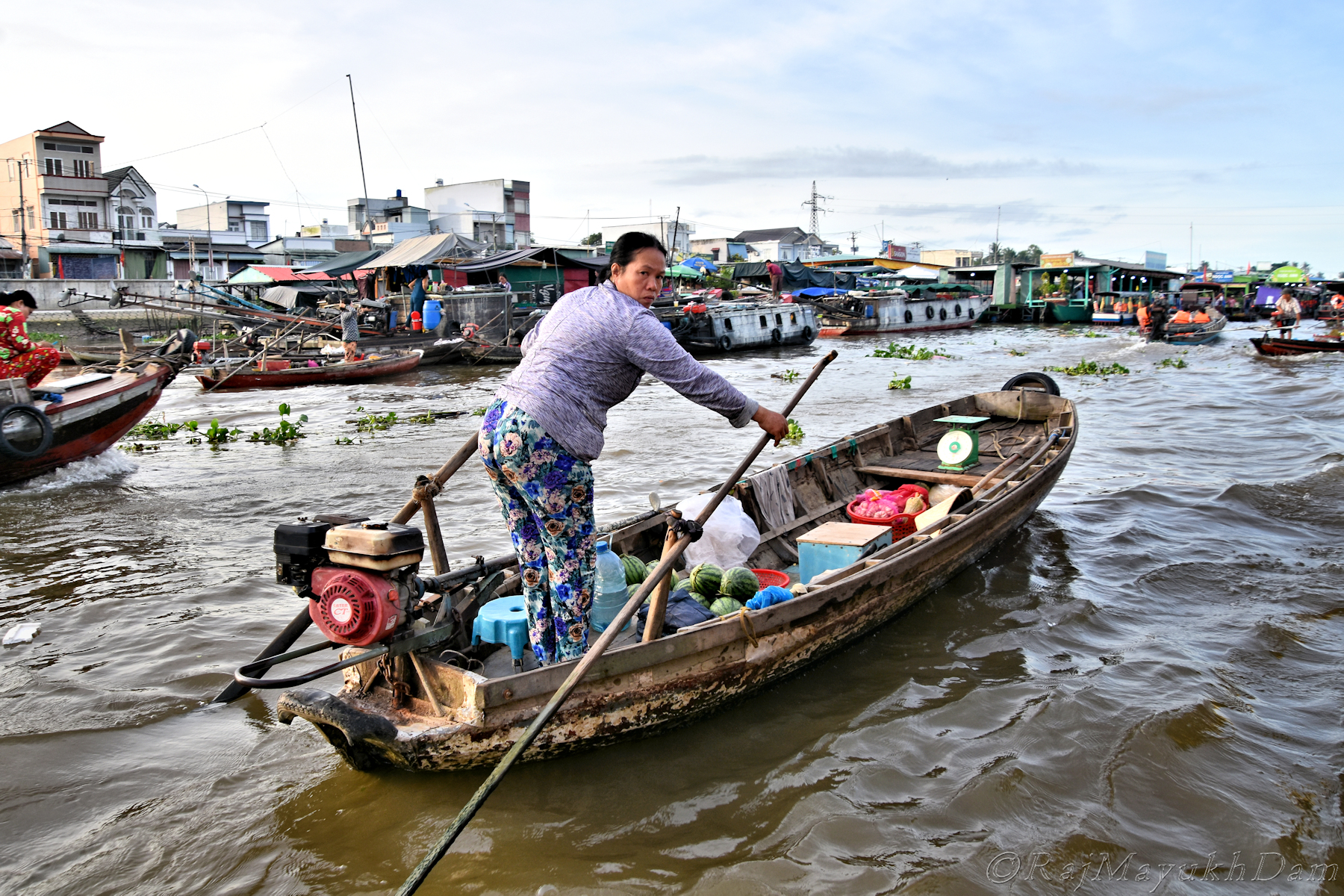
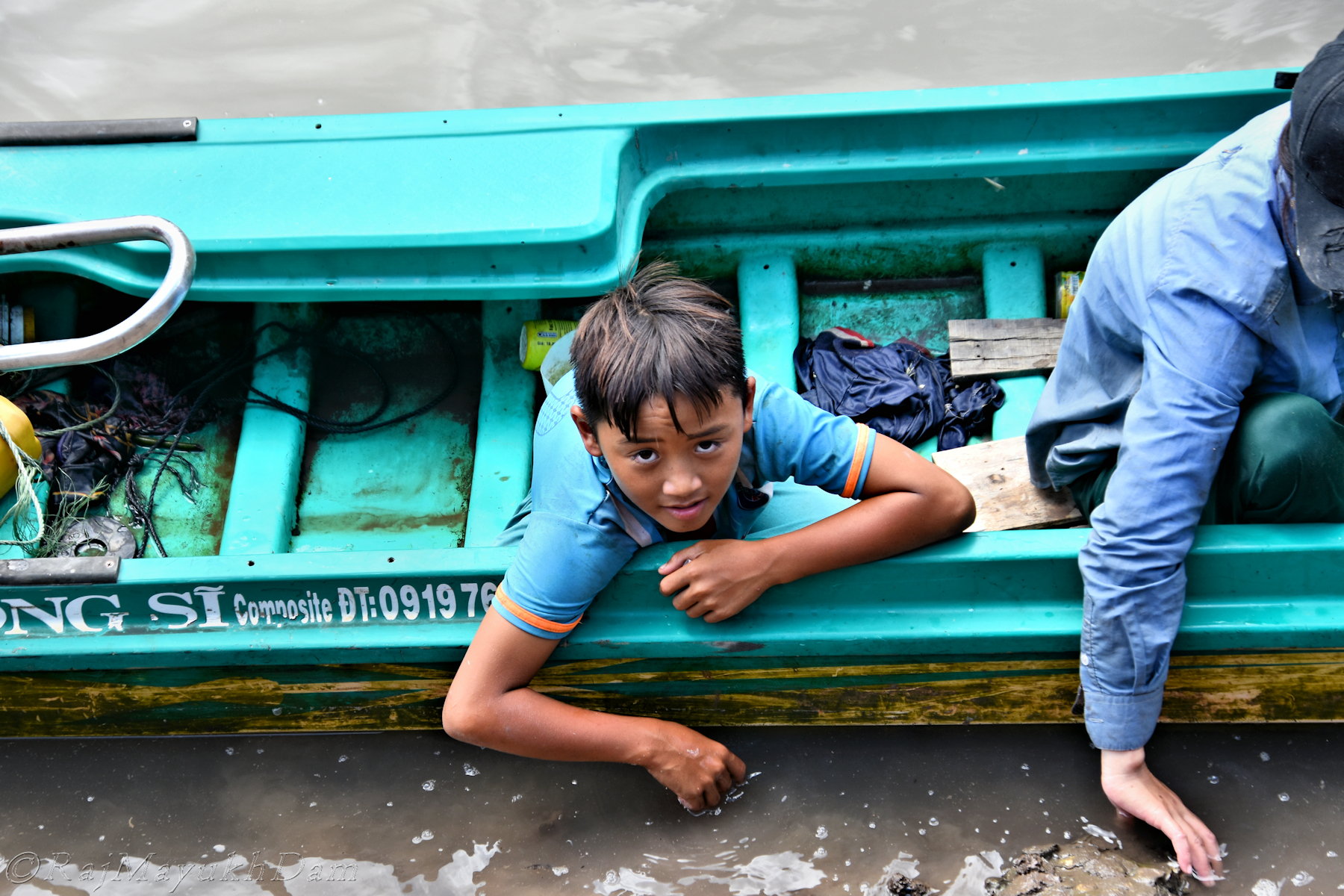
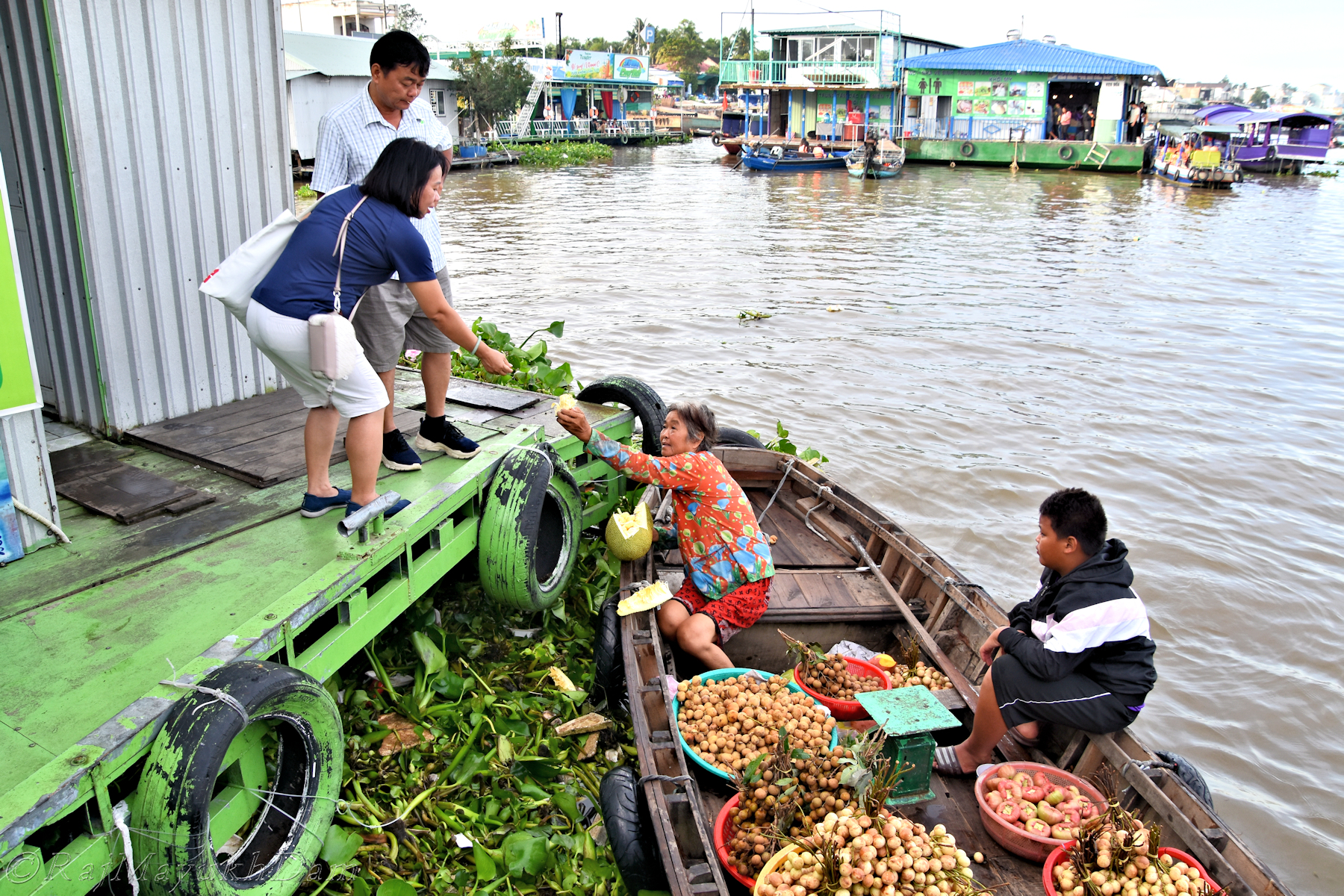
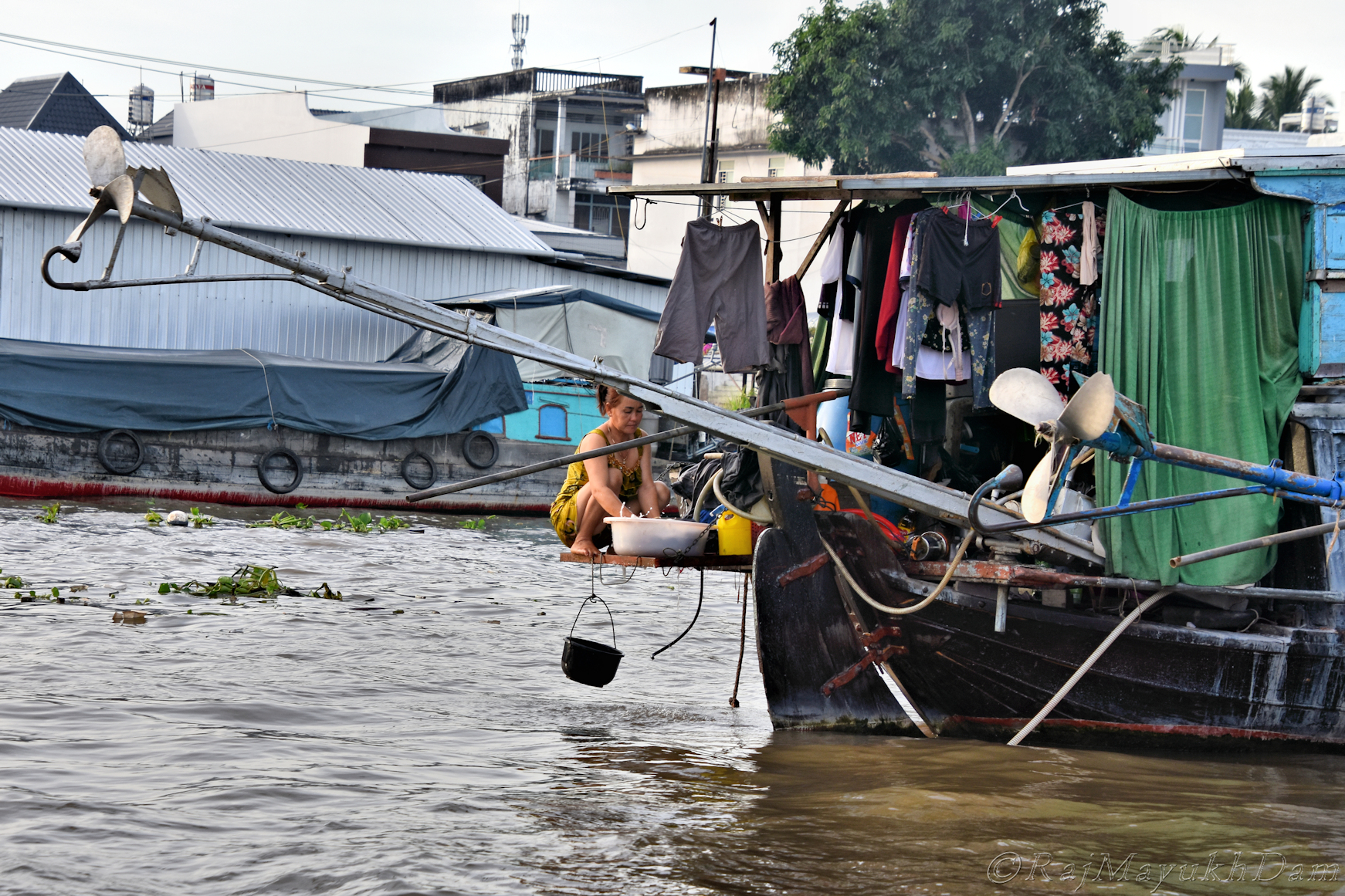
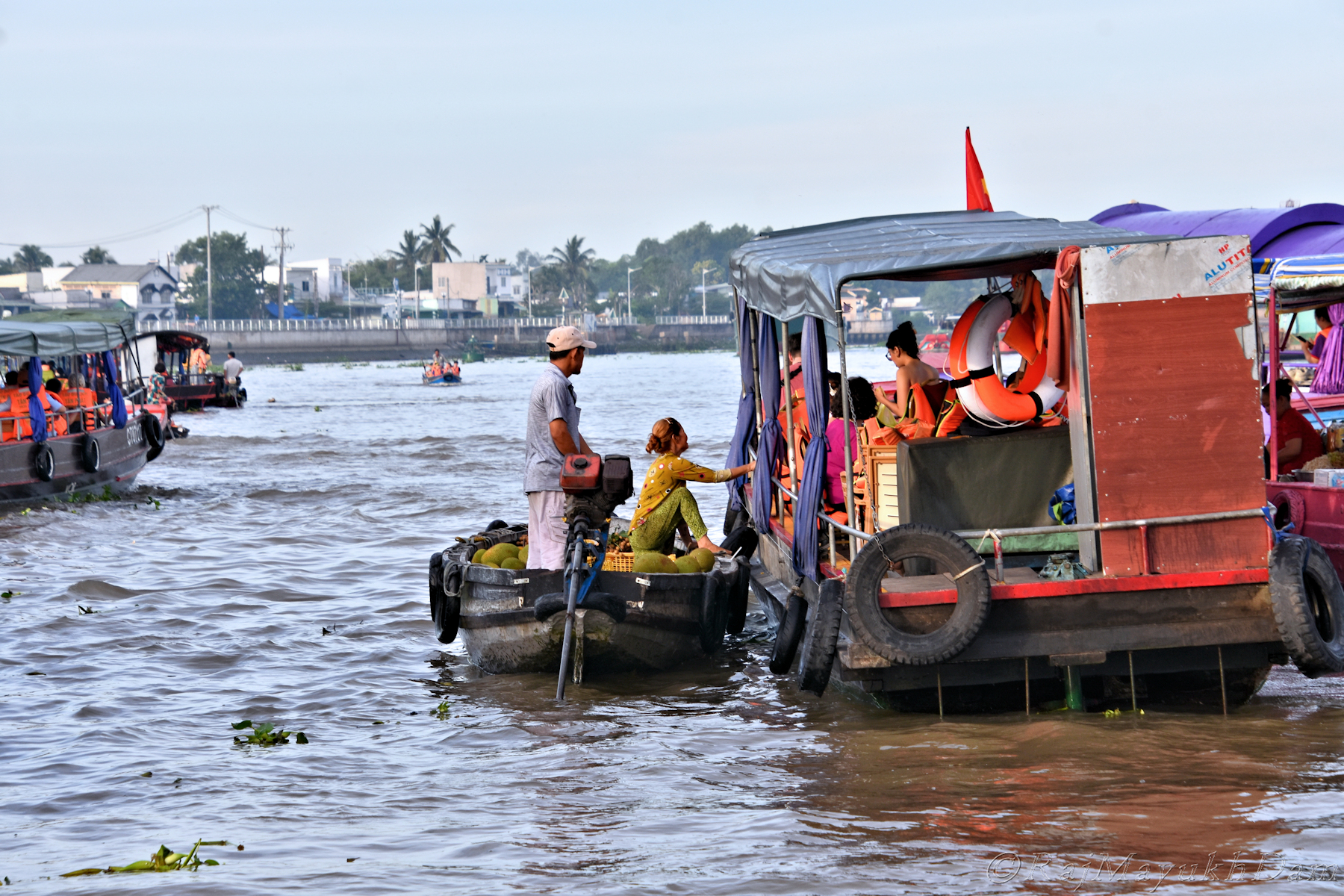
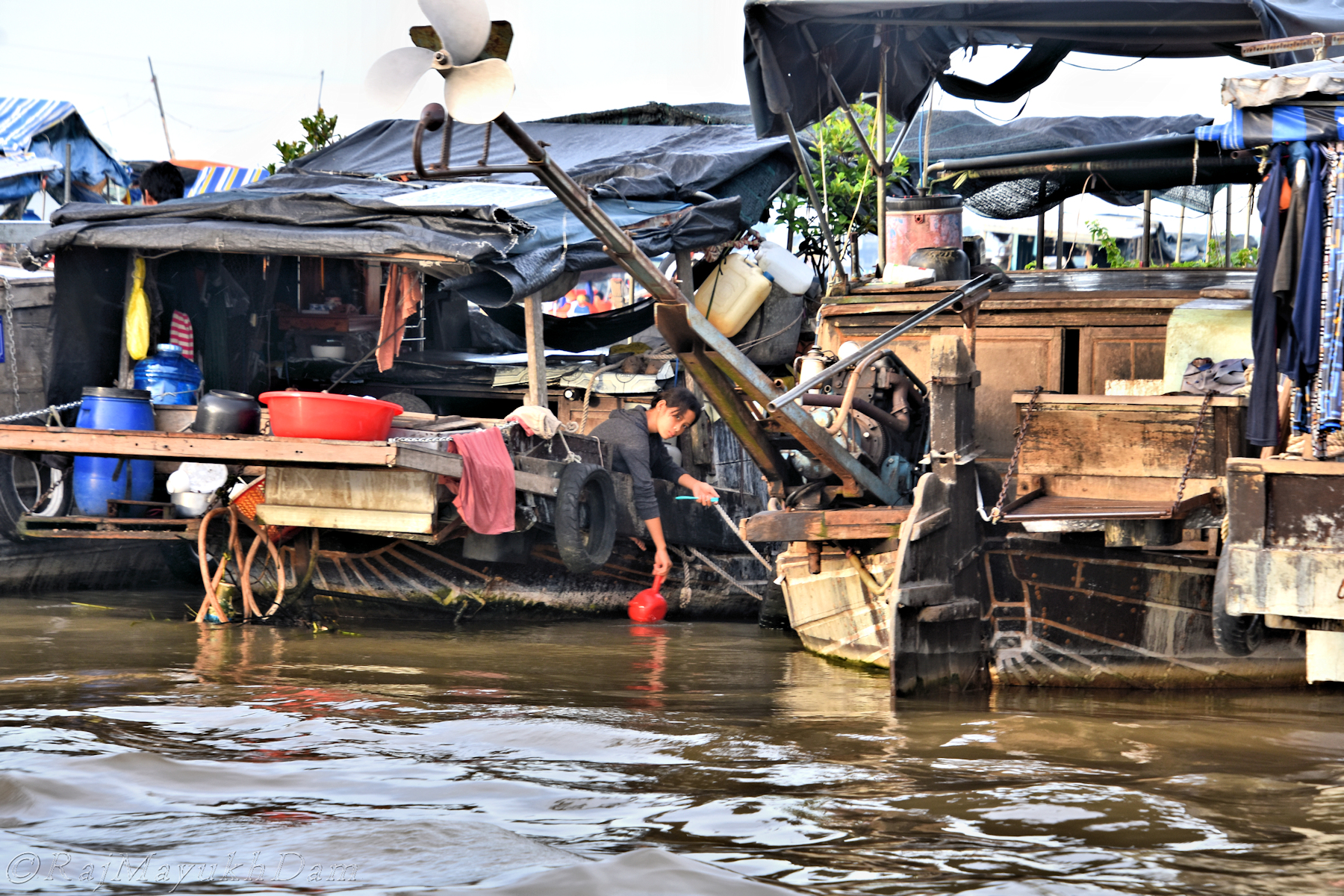
Life here is waterborne. Villages are laced with canals, and boats are not just transportation—they are homes, shops, and livelihoods. Floating markets like those in Cái Răng or Phong Điền are bustling proof of a river-based economy where vendors sell fruits, vegetables, and fish directly from their wooden boats. The produce—dragon fruit, mangoes, coconut, and durian—comes from orchards fed by the river’s nutrient-rich waters.
The Mekong provides more than agriculture. It supports one of the world’s largest inland fisheries. Over 60 million people across the region depend on the river for food and income, and in Vietnam’s delta, fishing is a daily ritual. Tiny anchovies are caught and fermented into nước mắm, the fish sauce central to Vietnamese cuisine. Inland, farmers raise catfish and tilapia in floating cages, contributing to a booming aquaculture industry that has made Vietnam one of the top global exporters of farmed fish.
But the Mekong is not without struggle. Climate change, upstream dam construction (particularly in China and Laos), and saltwater intrusion from rising seas threaten this delicate ecosystem. In Vietnam alone, over 500,000 hectares of farmland have been affected by salinization. Some communities, facing eroded riverbanks and failing crops, are being forced to relocate. The river that gives life is also becoming less predictable.
Yet resilience flows here as steadily as the Mekong itself. Farmers are shifting to more salt-tolerant crops. Communities are restoring mangrove forests to buffer against the sea. Young innovators are developing floating schools, solar-powered boats, and climate-smart farming practices. The people of the delta have long lived with the river’s moods—its floods and droughts, its gifts and warnings—and they continue to adapt.
To live along the Mekong in Vietnam is to understand water not just as a resource, but as a rhythm. It shapes homes, diets, customs, and futures. It is not a backdrop, but a presence—central, enduring, and, increasingly, under threat.
As the Mekong Delta faces the pressures of the 21st century, its story remains one of deep connection—between land and water, tradition and change, survival and sustainability.
 Raj Mayukh Dam