








Hue Imperial city, Vietnam : A Tapestry of Culture, Cuisine, Lifestyle, and History
Hue city, Vietnam : A Tapestry of Culture, Cuisine, Lifestyle, and History
Nestled along the banks of the Perfume River in central Vietnam, Hue is a city that breathes history and sings with quiet elegance. Once the imperial capital of the Nguyen Dynasty, Hue has long been regarded as the cultural and spiritual heart of Vietnam. Its charm lies not only in its grand past but also in the gentle rhythm of its present — a seamless blend of tradition and modern life.
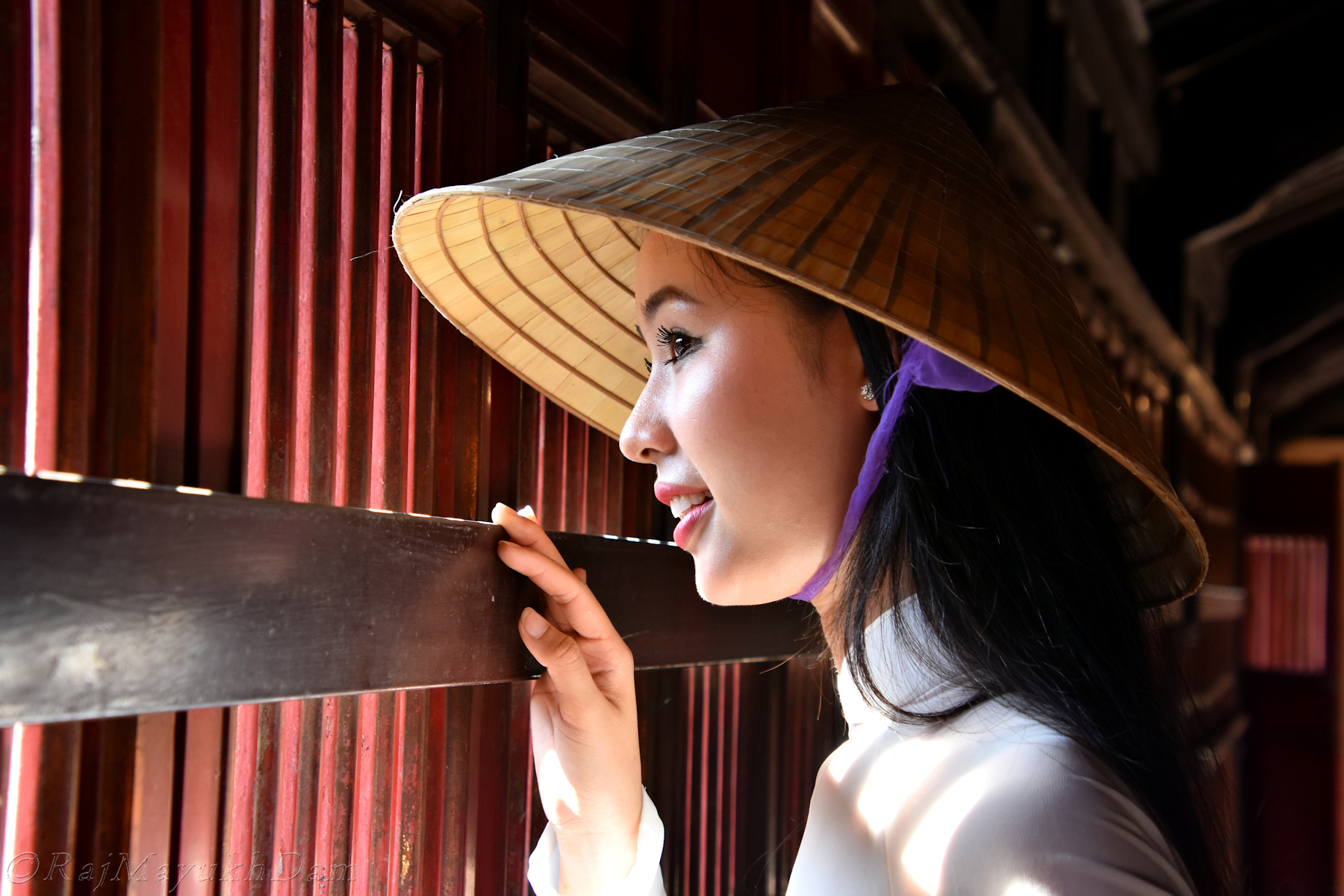
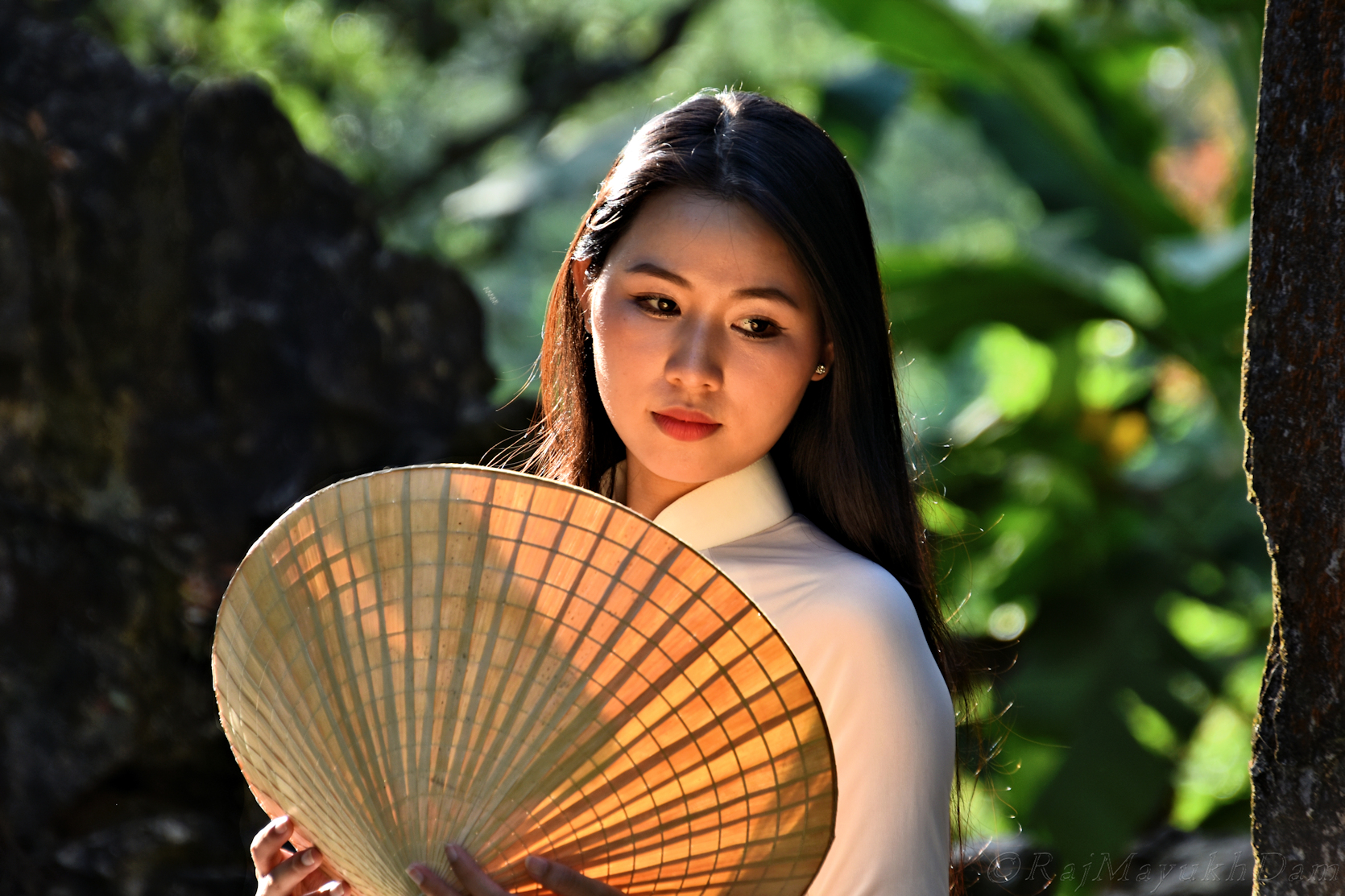
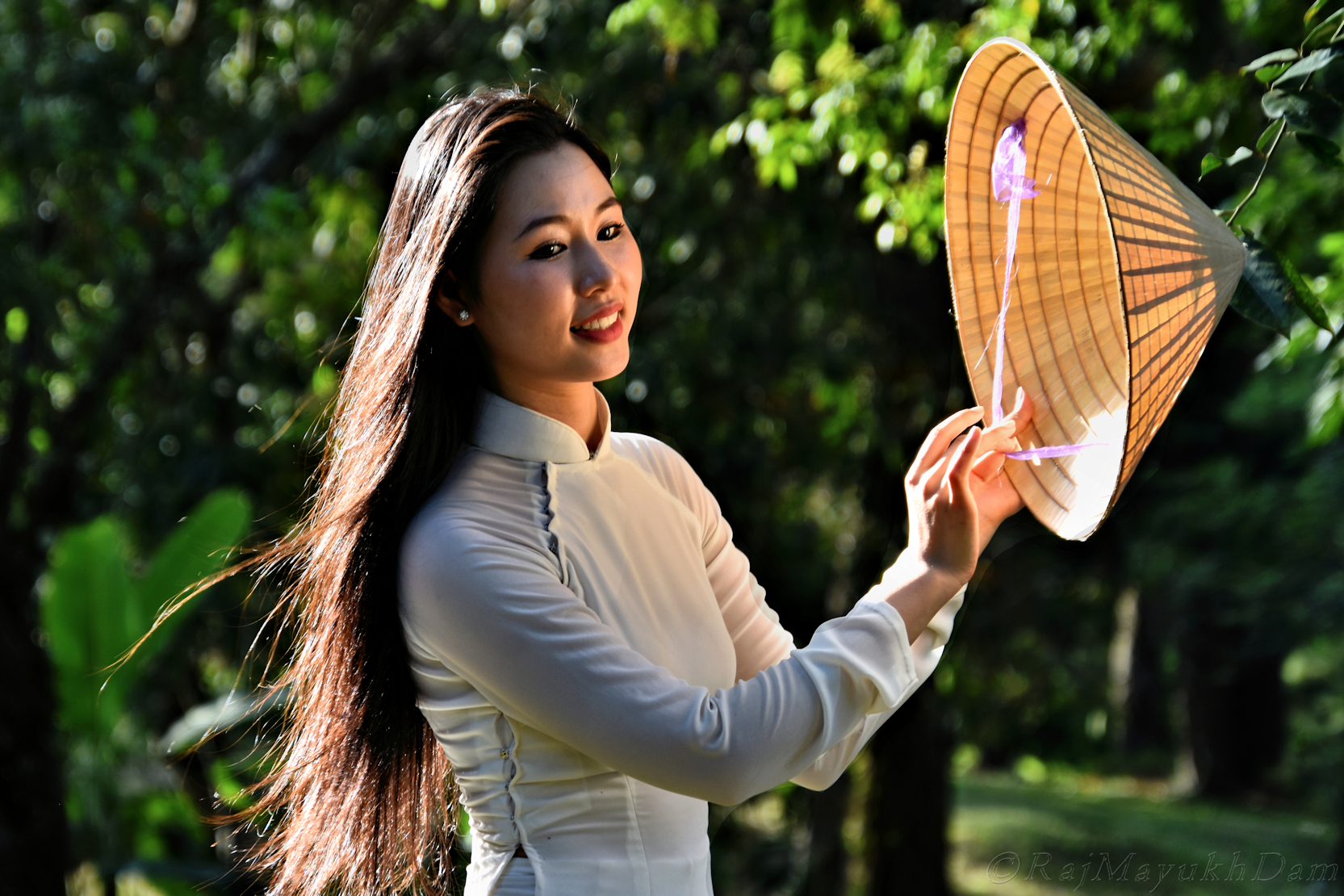
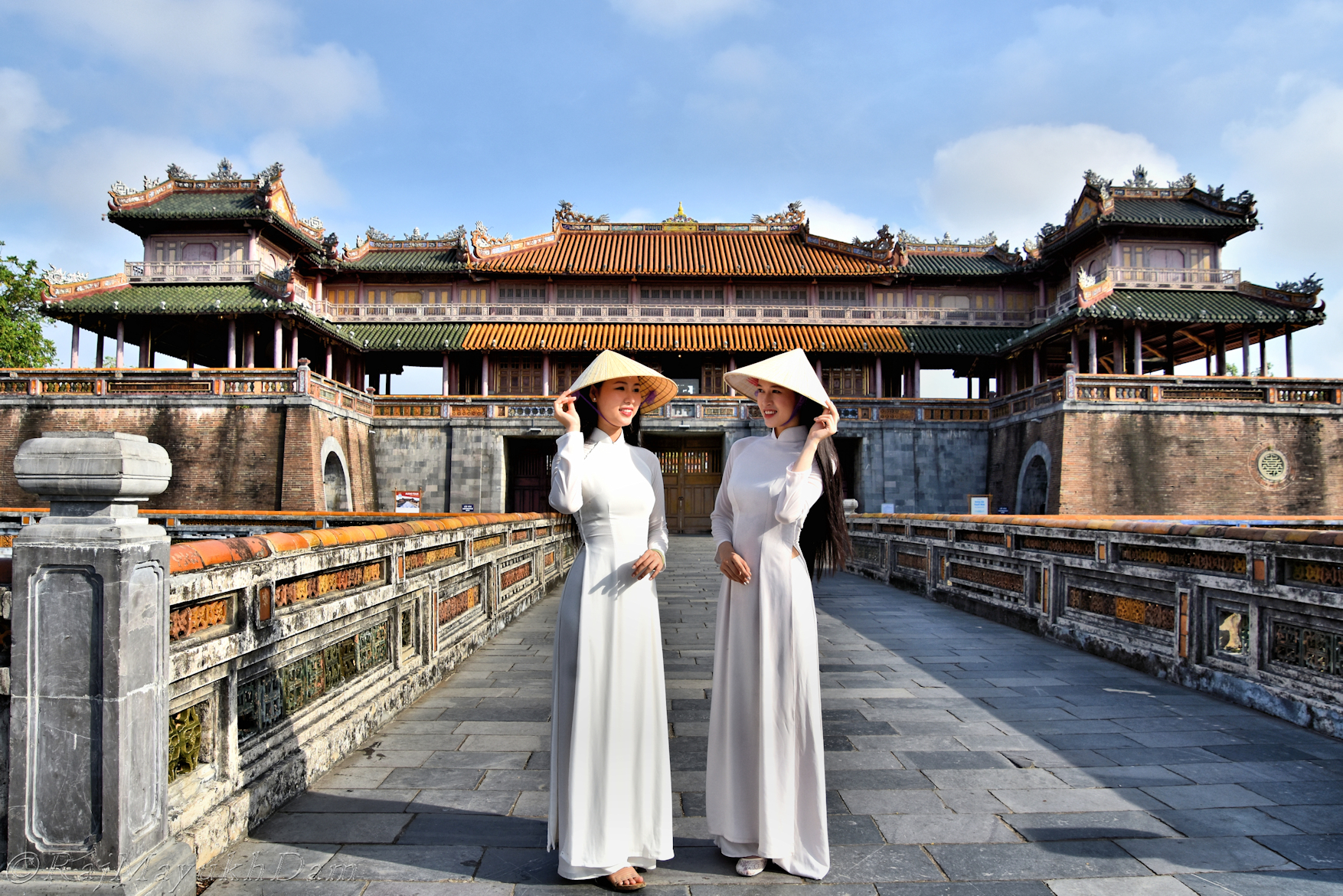
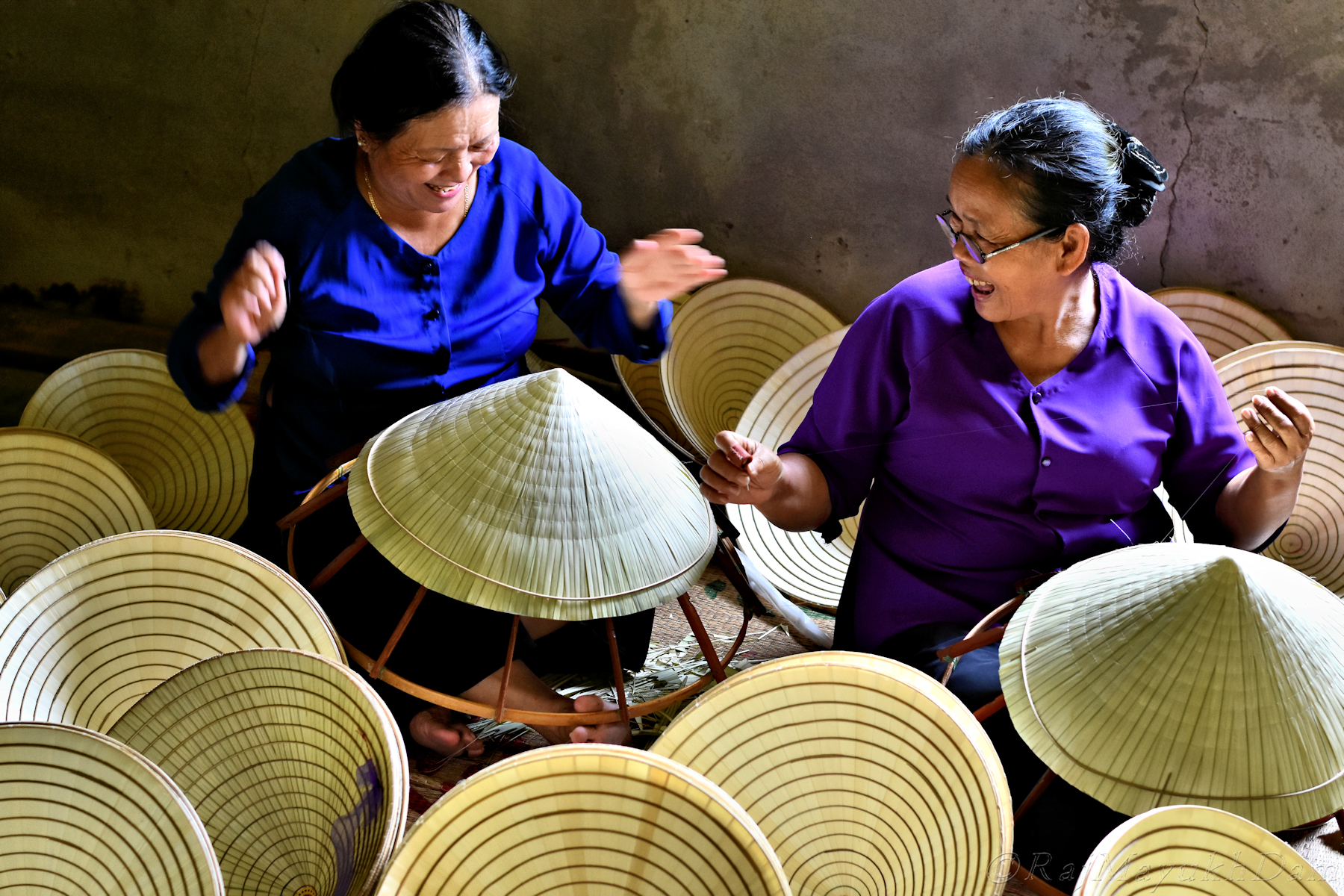
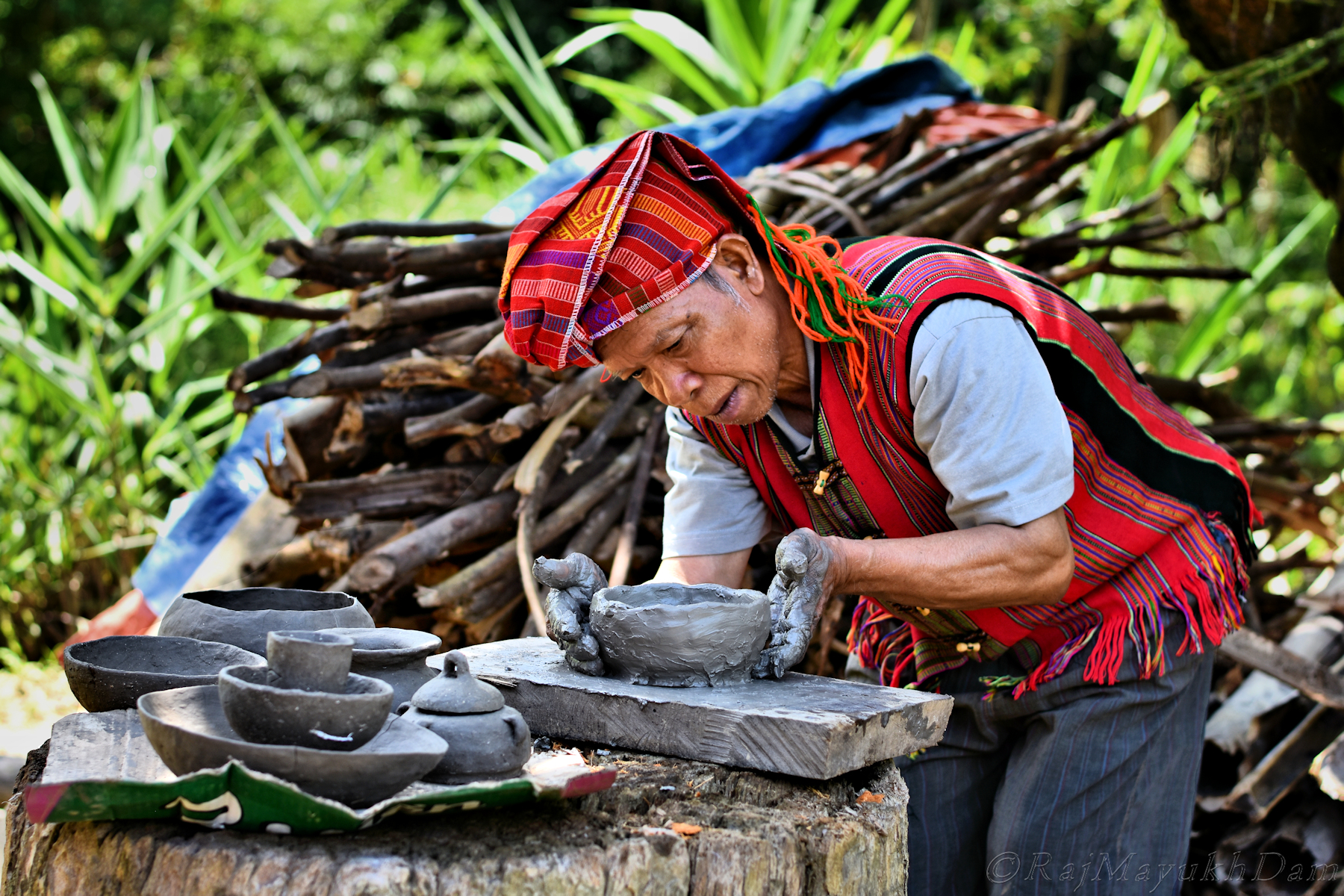
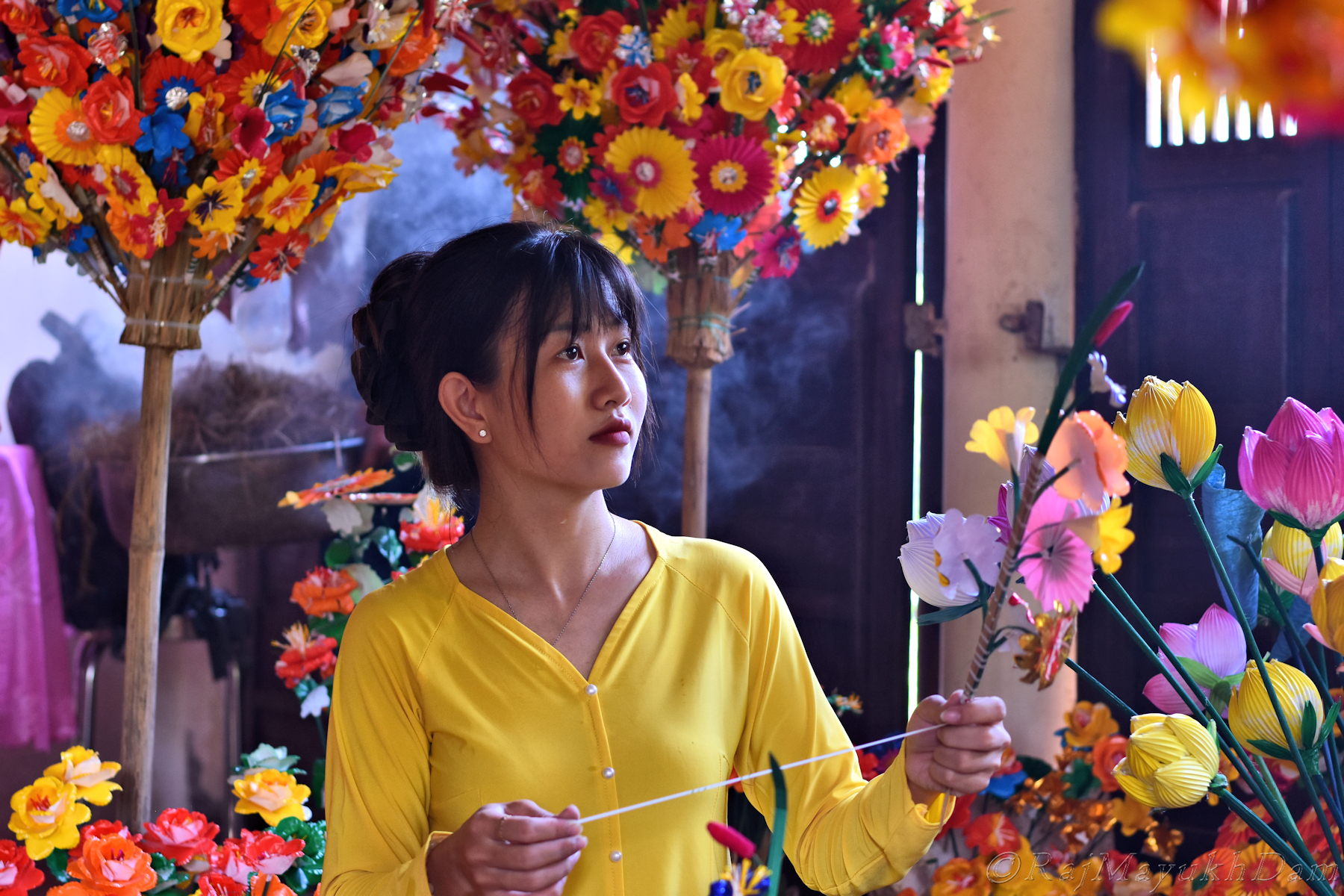
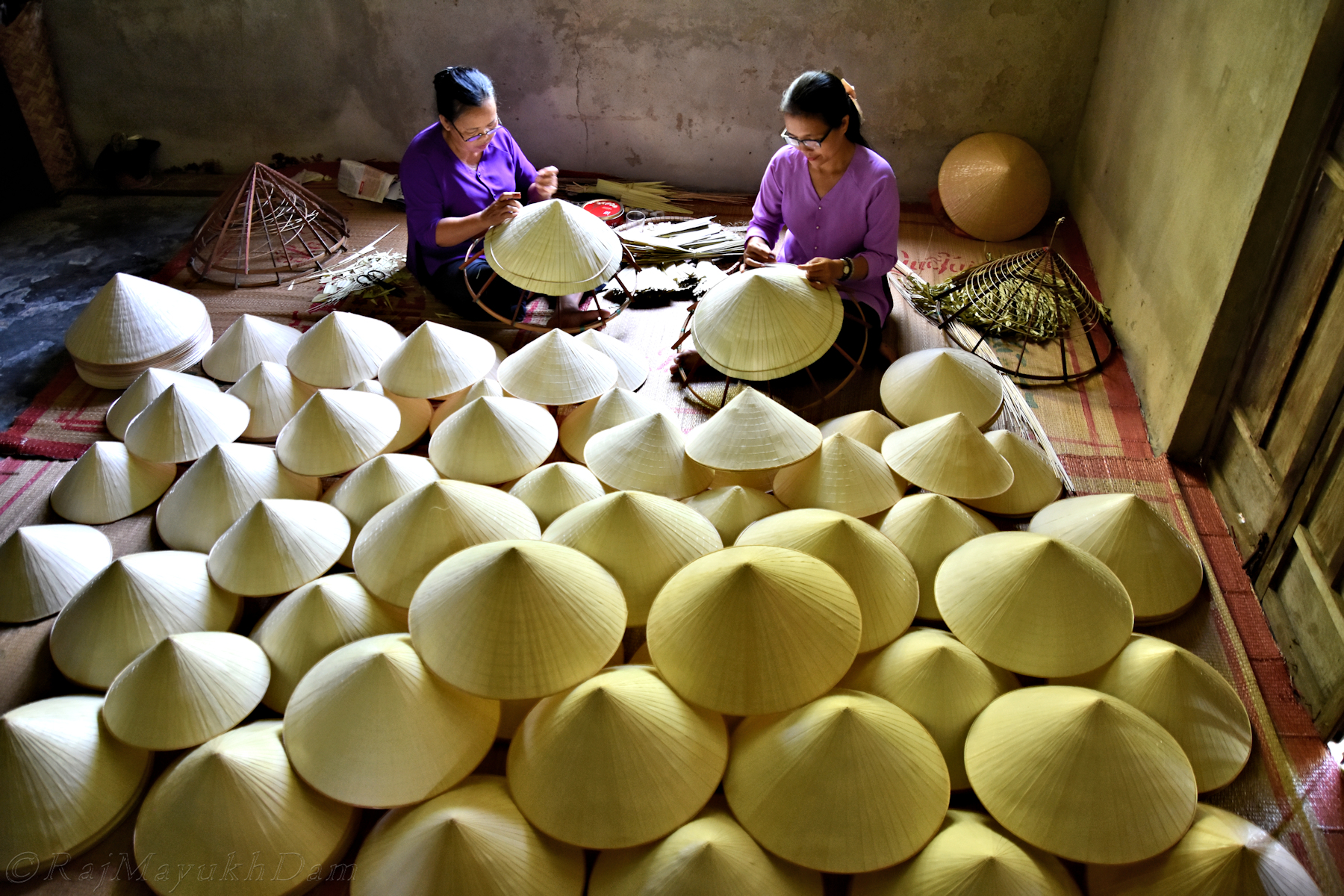
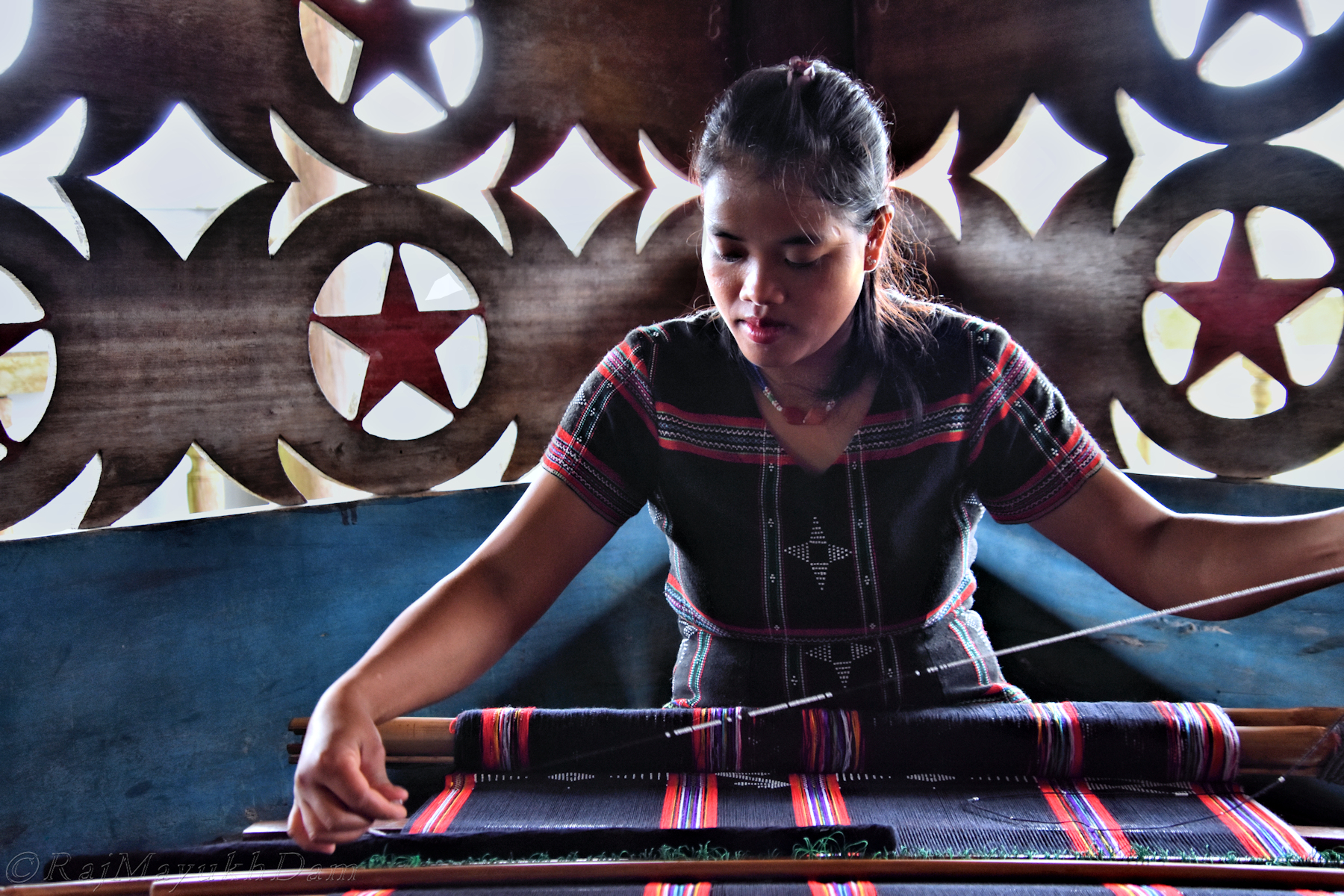
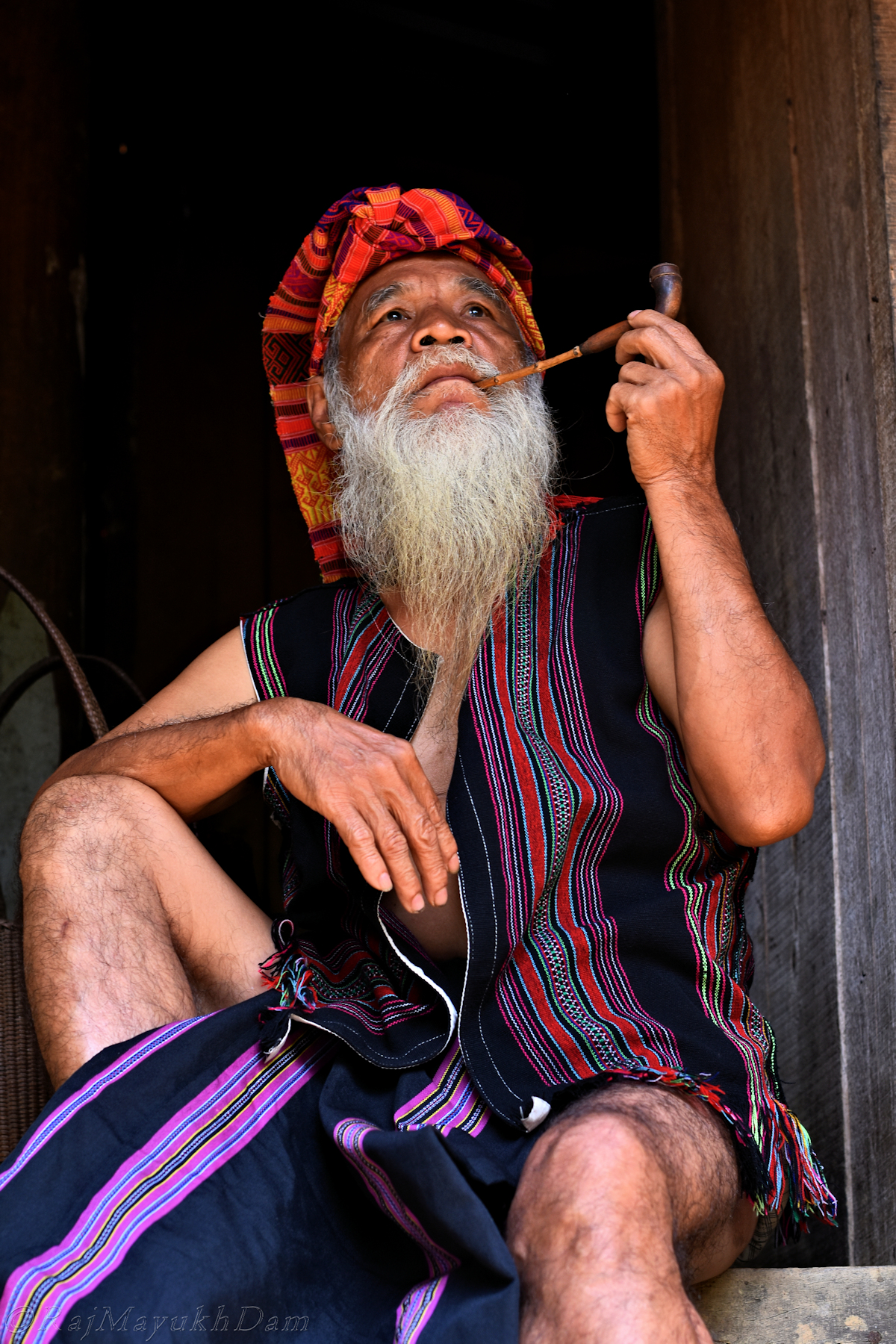
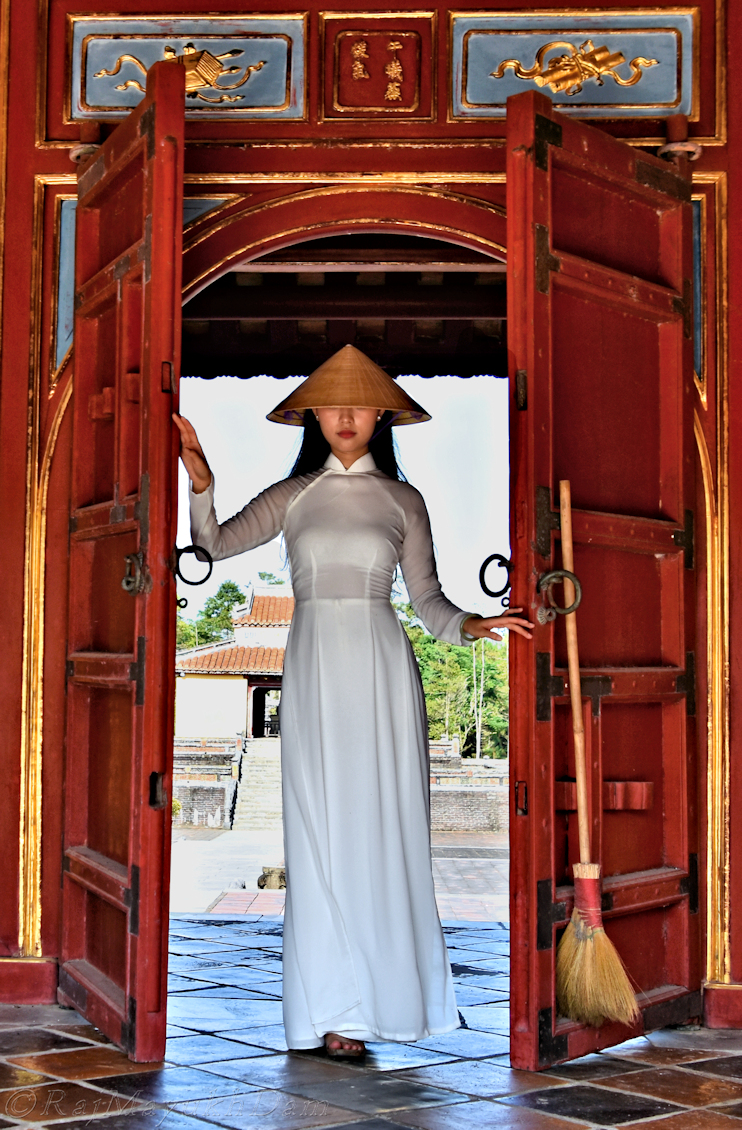
Hue’s culture is deeply rooted in refinement. The city is home to ancient pagodas, royal tombs, and the majestic Imperial Citadel, a UNESCO World Heritage Site. These remnants of the past are more than architectural marvels; they are silent storytellers, preserving the legacy of emperors, mandarins, and court life. Hue is also a stronghold of Vietnamese traditional arts — from court music (Nhã nhạc) that once echoed through palace halls, to intricate crafts like conical hat weaving and silk embroidery.
The soul of Hue can also be found in its cuisine. Unlike the bold flavors of northern or southern Vietnam, Hue’s food is subtle yet complex, often with a hint of spice and a touch of royal sophistication. Dishes like bún bò Huế (spicy beef noodle soup), bánh bèo, and nem lụi reflect a culinary tradition born in the imperial kitchens. Every bite tells a story of balance, beauty, and meticulous preparation. Even the smallest portions are crafted with care, emphasizing presentation as much as taste.
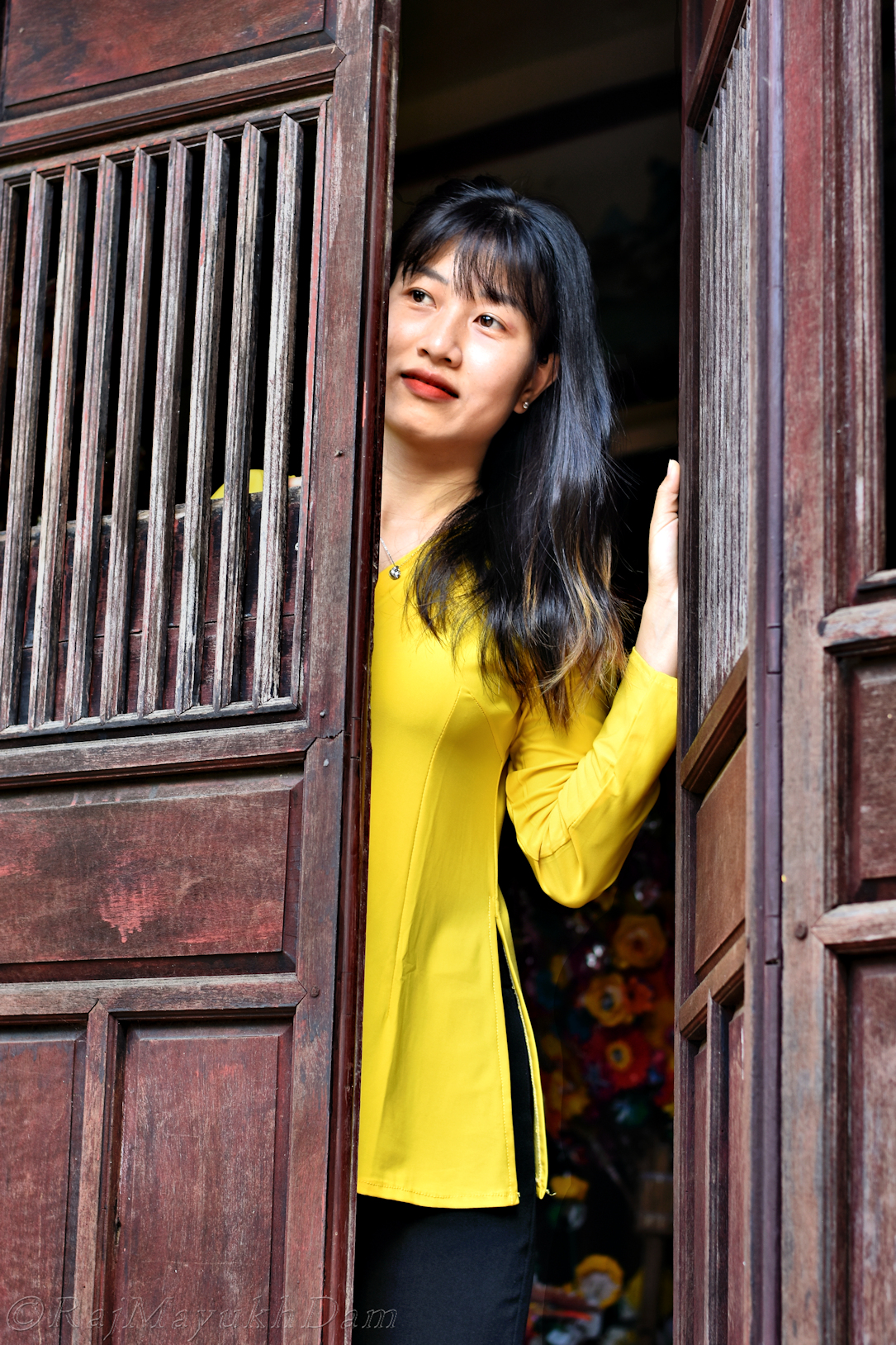
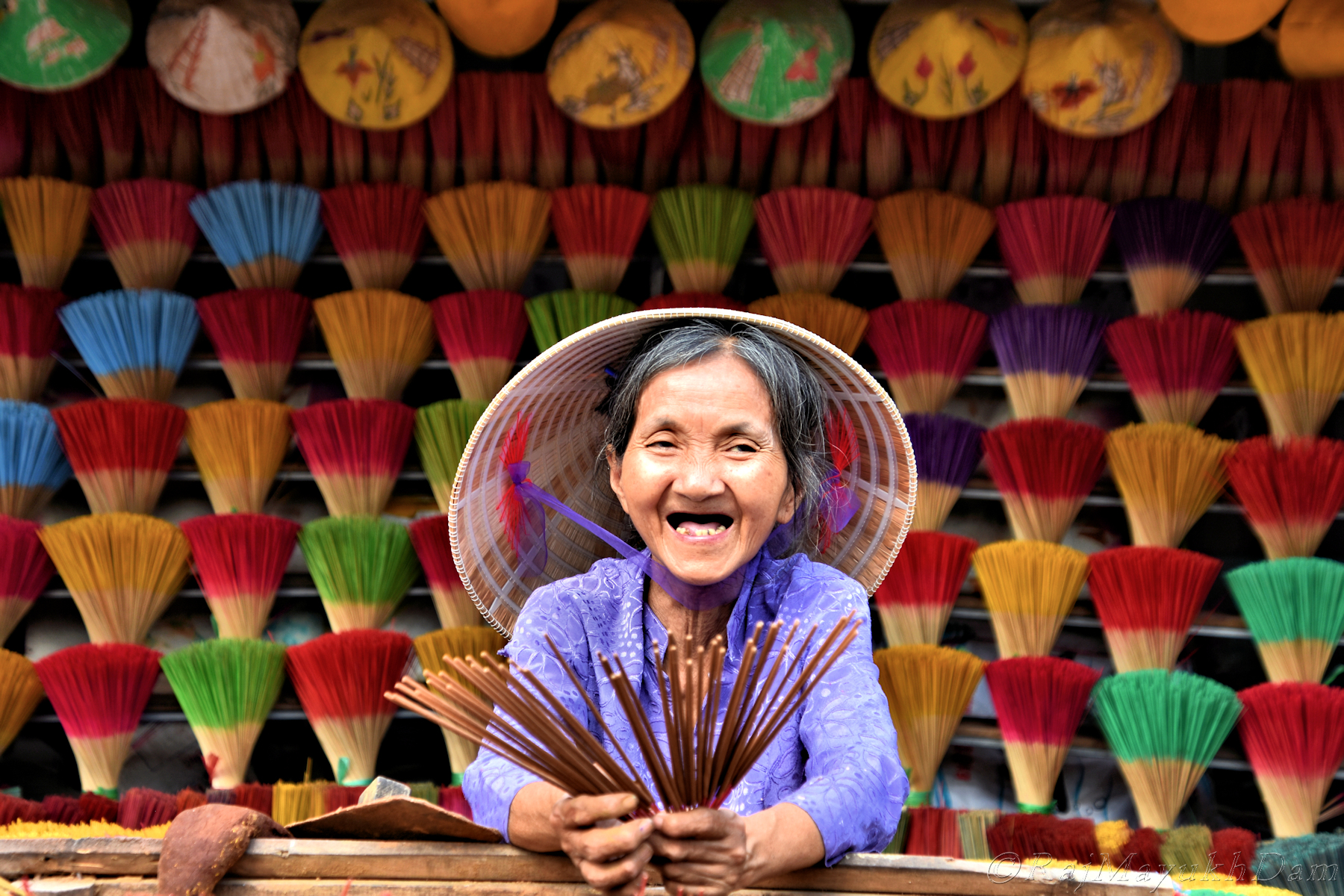
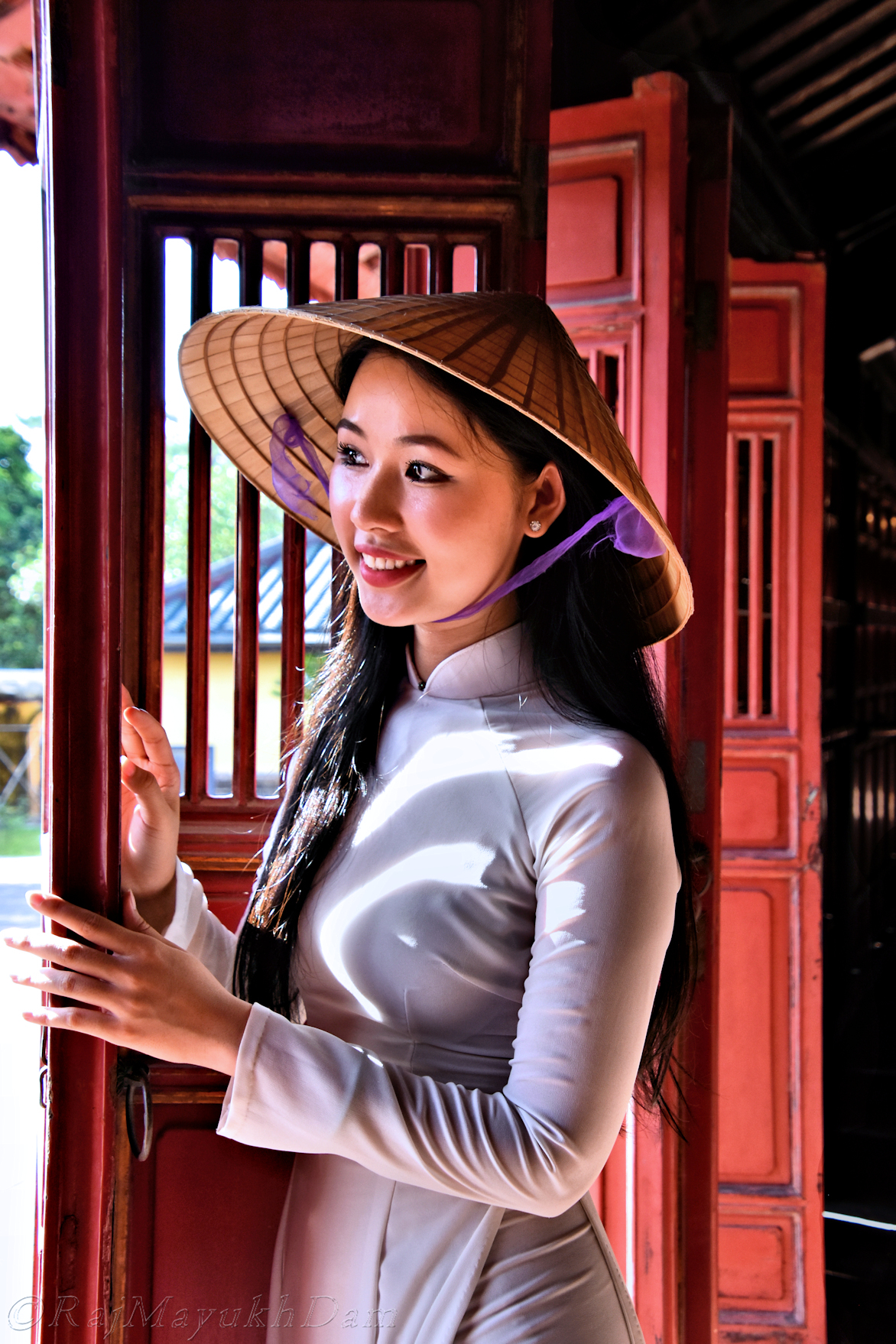
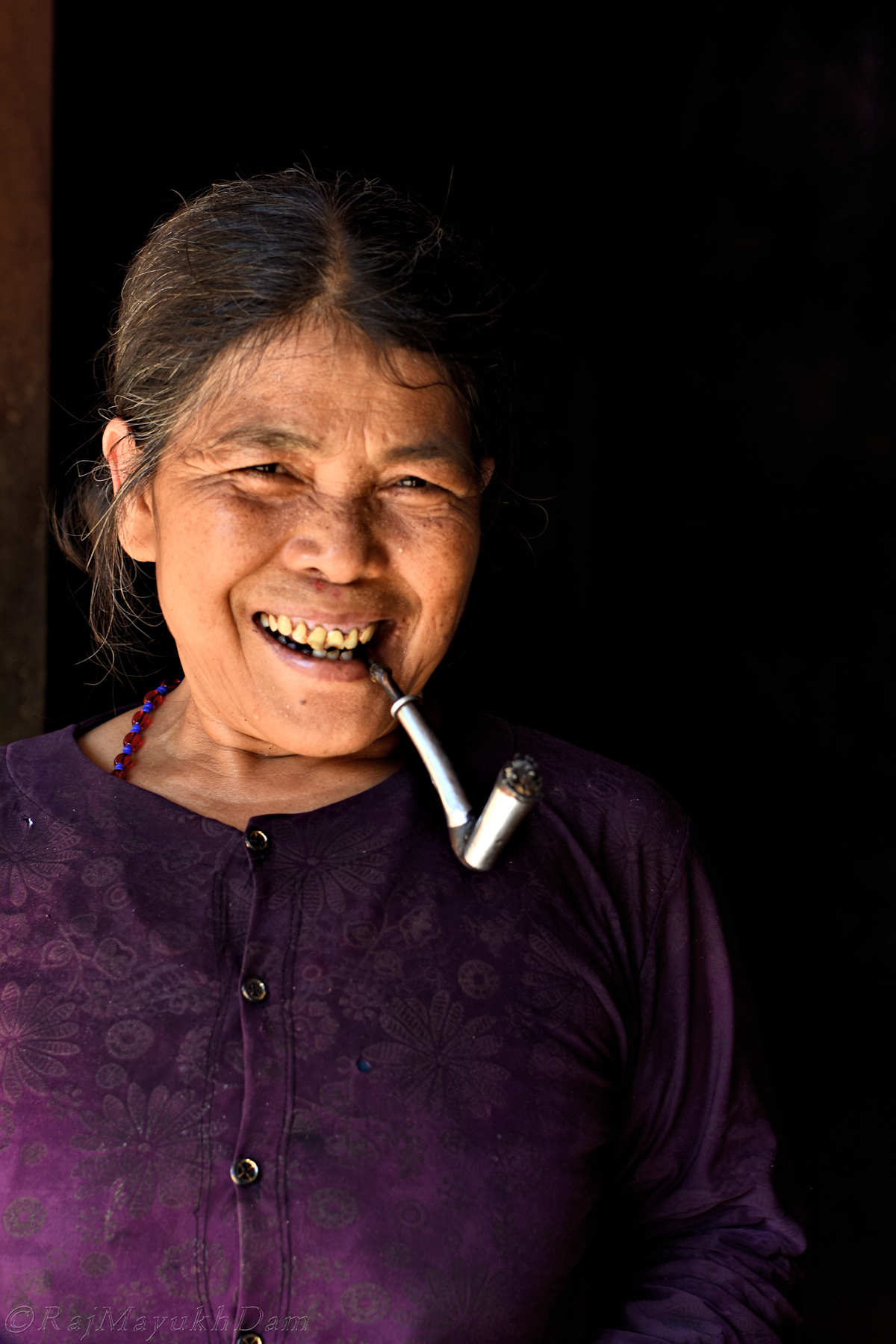
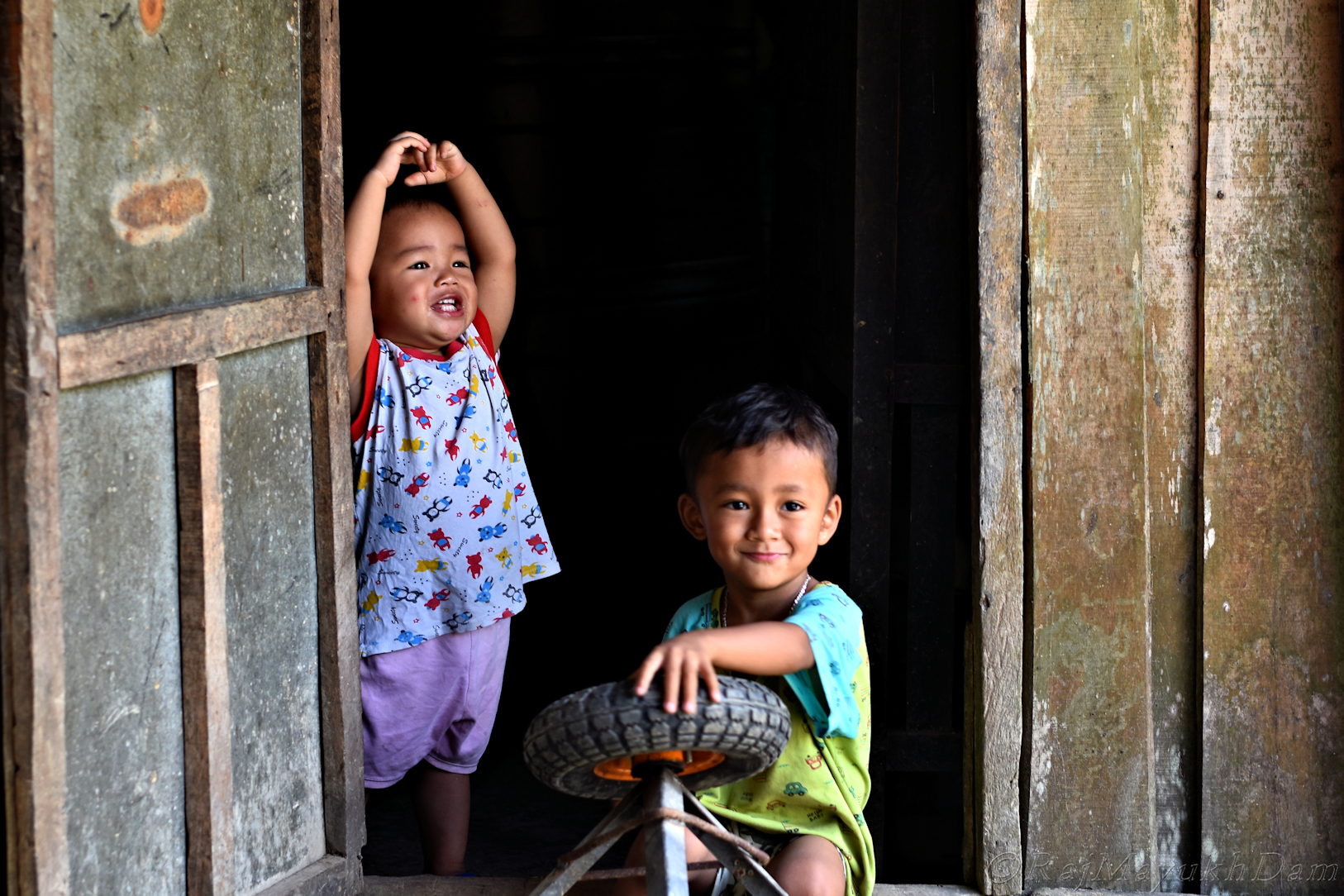
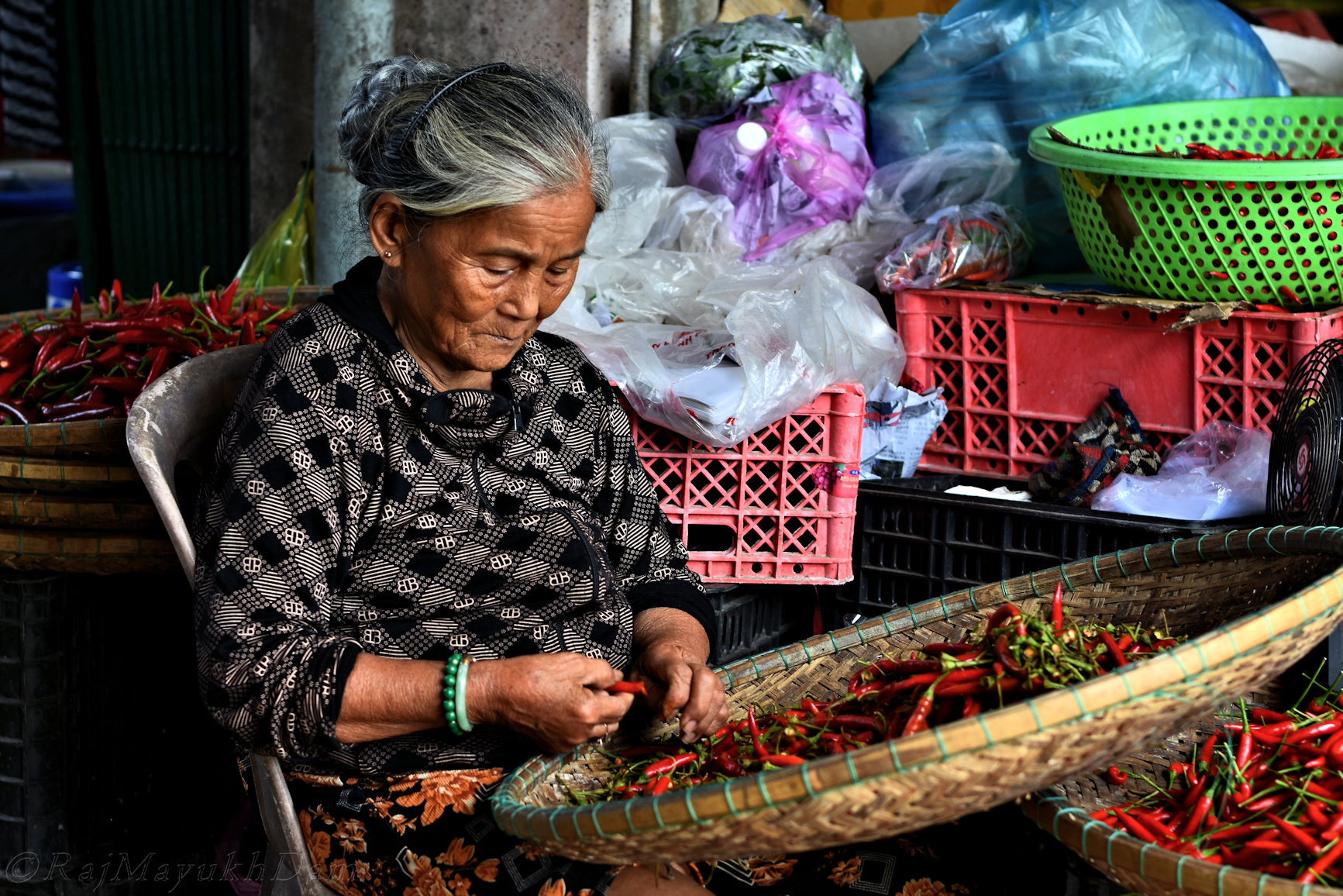
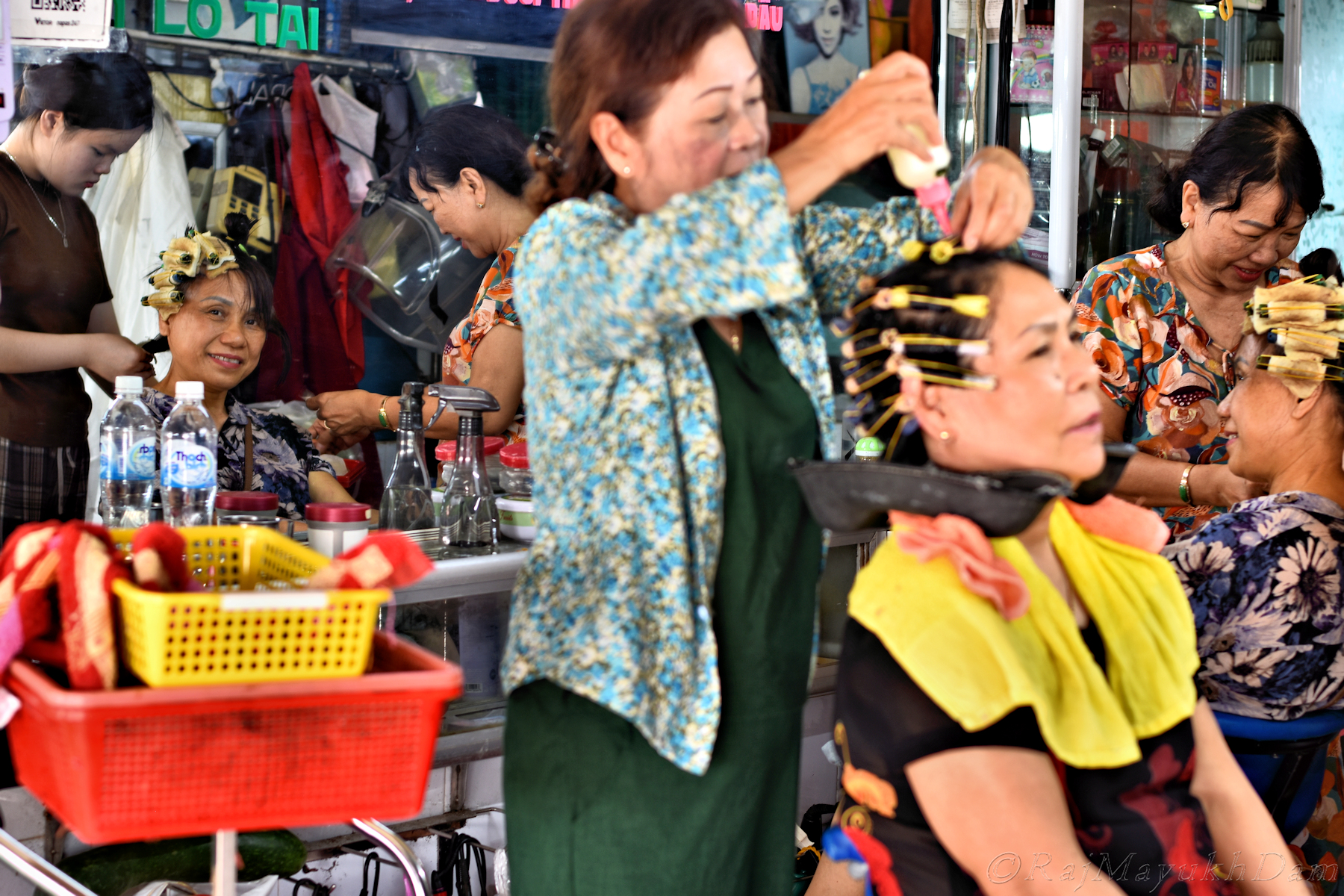
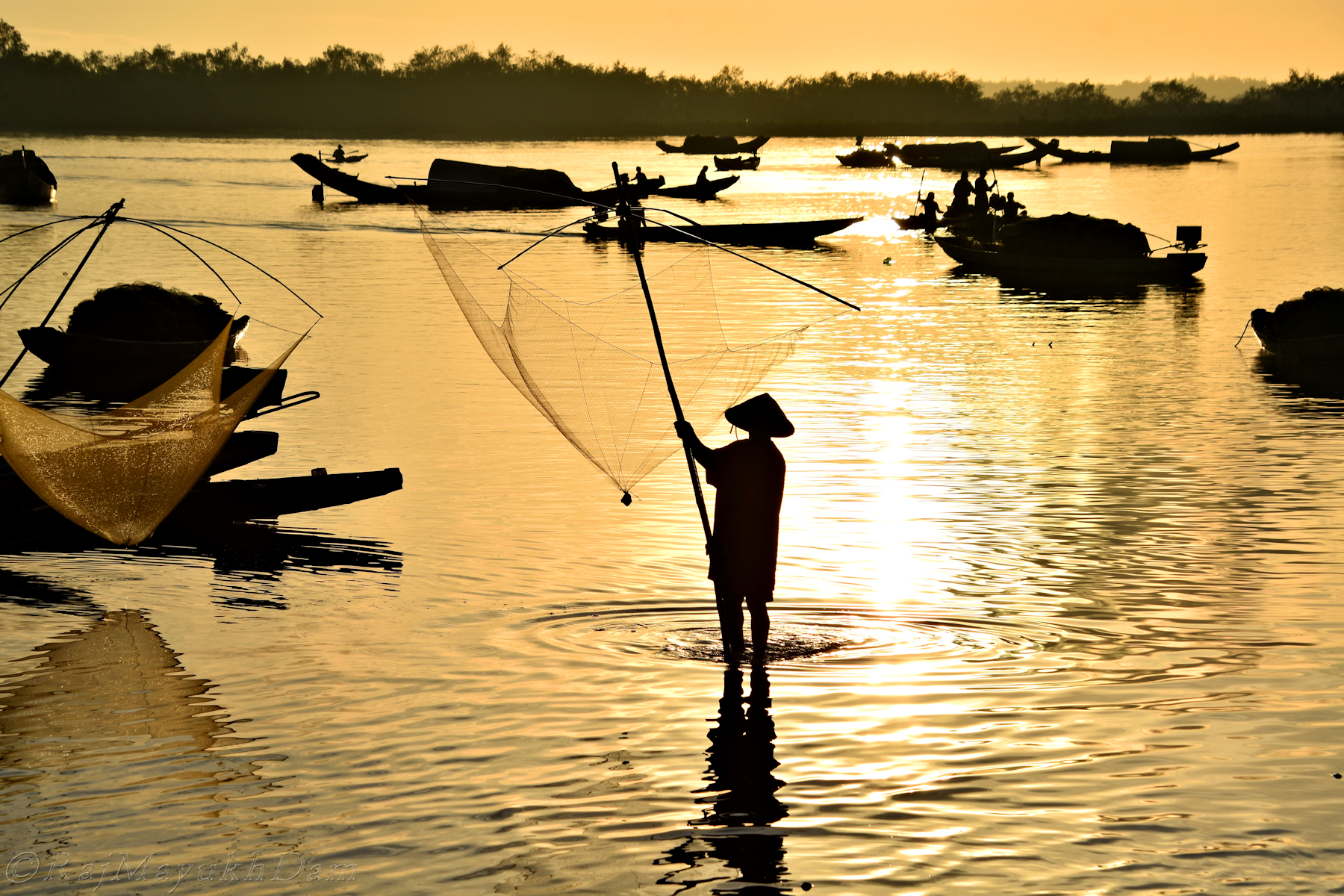
Life in Hue flows like the Perfume River — serene, unhurried, and poetic. The locals are known for their soft-spoken manner and quiet pride. From morning market visits to leisurely afternoon coffee by the riverside, daily life in Hue retains a grace that feels timeless. Even amidst modern development, there is a collective reverence for heritage, an unspoken agreement to honor the old while embracing the new.
Hue is not just a city; it is an experience of Vietnam’s past and a mirror to its soul. Here, history is not confined to museums — it lives in every street, dish, and smile. In Hue, one does not simply travel — one listens, tastes, and feels the deep pulse of a nation’s memory.
 Raj Mayukh Dam